Our Services
We are a specialized consultancy supporting high-value microgravity R&D programs across the full experiment lifecycle, from scientific strategy and flight-readiness planning to post-flight translation and terrestrial development decisions. Our work is grounded in decades of hands-on experience at the intersection of biologics research and development, protein crystallization, formulation science, and spaceflight research. We help biopharma, commercial-space, and research teams design orbital R&D programs that are scientifically rigorous, operationally realistic, and aligned with downstream development value.
Wherever you are in the experimental lifecycle, we have tailored solutions to your challenges
Core Services
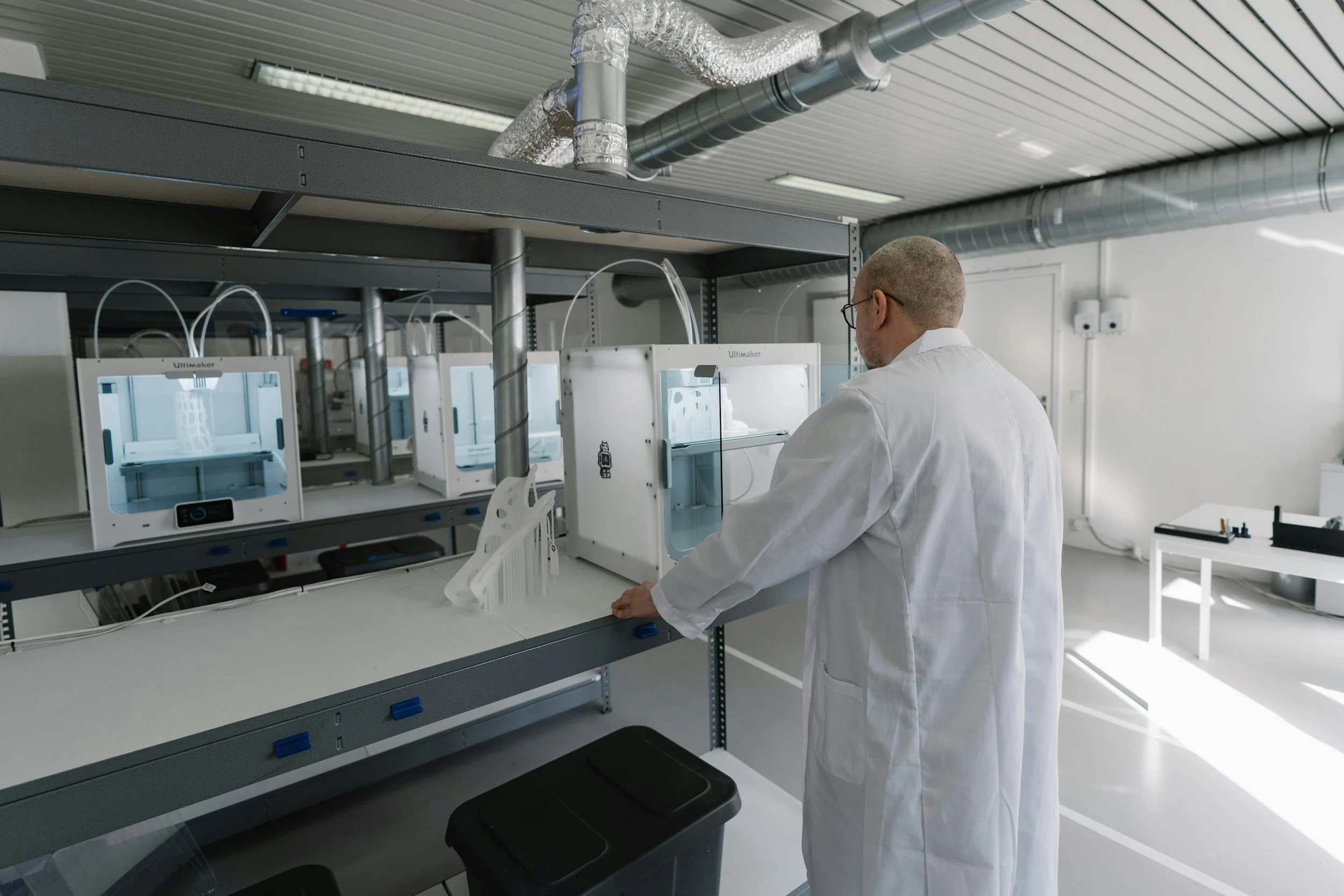
Orbital R&D Strategy
We help teams define why microgravity matters for their program and how to turn that rationale into a focused, executable R&D roadmap. This includes technical strategy, experiment prioritization, success criteria, partner models, flight planning, and decision points for moving from concept to execution.
Microgravity R&D opportunity assessment
Technical roadmap development
Experiment design strategy
Flight-readiness planning
Partner and platform strategy
Success criteria and decision framework development
Biologics Crystallization & Suspension Formulation Strategy
We advise on microgravity-informed strategies for biologics crystallization, suspension formulation, stability, and drug-delivery development. Our work supports teams exploring how orbital crystallization experiments can inform product design, formulation strategy, manufacturability, and long-term development decisions.
Our advisory support includes:
Biologics crystallization strategy
Crystalline and amorphous suspension formulation guidance
Stability and formulation development strategy
Subcutaneous delivery considerations
Translational interpretation of crystallization results
Integration of spaceflight findings into Earth-based development and manufacturing programs
Autonomous Experiment Hardware Strategy
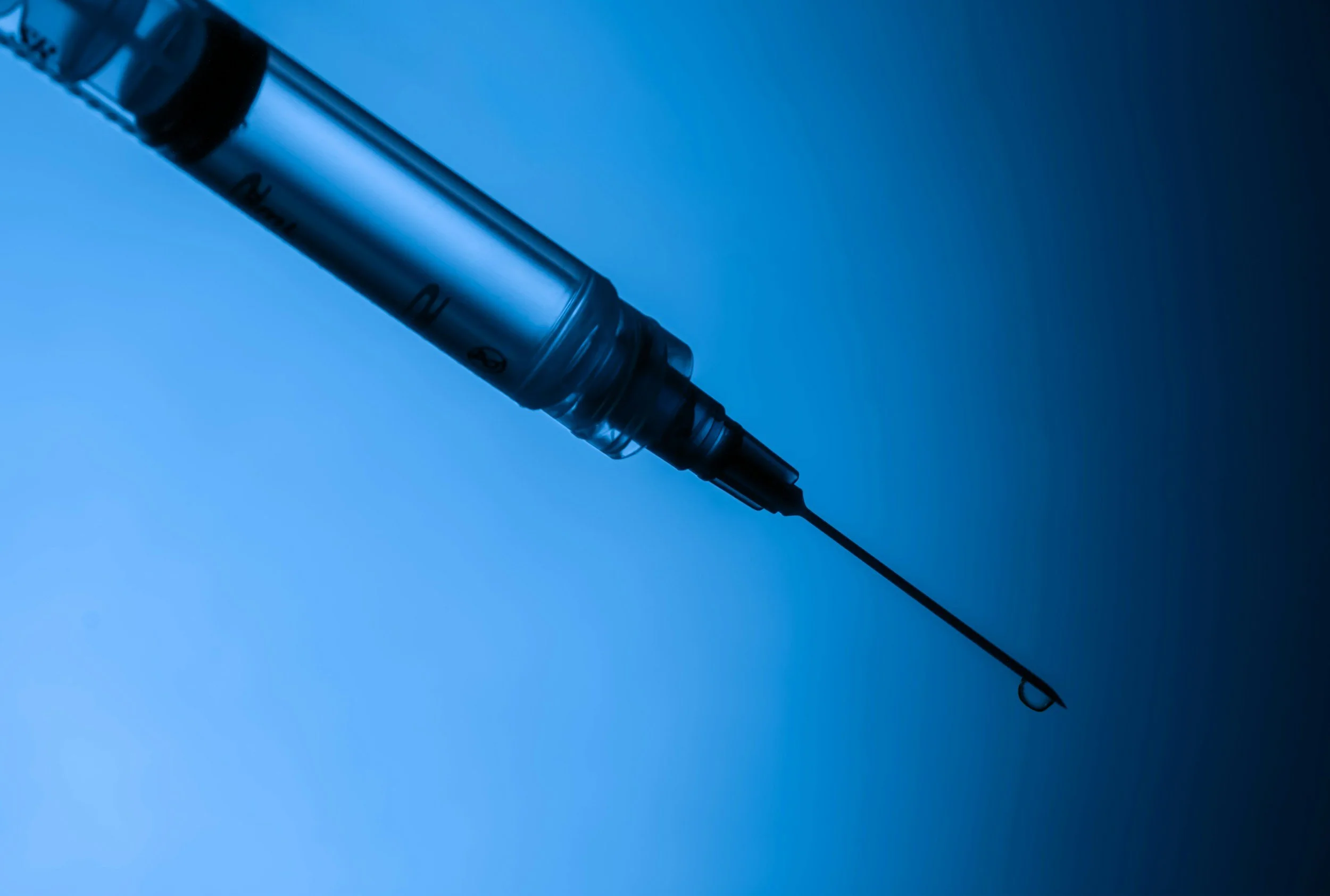
We help teams define concept requirements for compact, automated, and flight-compatible experimental systems. This includes early-stage guidance on hardware functionality, sample handling, automation needs, environmental constraints, and experiment workflows suitable for orbital research platforms.
Concept requirements for autonomous experiment systems
Compact and modular hardware strategy
3D-printed system considerations
Sample containment and handling strategy
Workflow planning for flight-compatible experiments
Alignment between scientific goals and hardware capabilities
Tech Transfer to Earth
We help teams translate spaceflight research insights into practical decisions for terrestrial R&D, formulation, manufacturing, and product development. The value of a microgravity experiment extends beyond the flight results to how those results inform decisions back on Earth.
Post-flight data interpretation strategy
Translational roadmap development
Integration into commercial-scale formulation programs
Manufacturing and process-development implications
Partner communication and technical storytelling
Development decision support